
Richard Godfrey | My Journey
Founder of Syncity AI, author of Be The Five
I've spent much of my career helping organisations change how they work.
I'm Richard Godfrey, founder of Syncity AI, author of Be The Five and someone who's spent more than 15 years working in digital transformation, technology and organisational change.
Over that time I've led digital teams, delivered major technology programmes, worked with businesses and public sector organisations, and seen first-hand what happens when technology delivers on its promises.
I've also seen plenty of occasions when it doesn't.
And one of the things I've learned is that the technology itself is rarely the whole problem, or the whole solution.
From digital transformation to real change
I've been fortunate enough to work on some fascinating projects throughout my career. As Head of Digital at Peterborough City Council, I was part of the team involved in the work that contributed to Peterborough being recognised as the world's smartest city in 2015. Our digital work also received recognition through the AWS City on a Cloud awards.
I've led programmes involving technologies from companies including Salesforce, Google and Box, and helped deliver major digital infrastructure projects, including a 100km CityFibre fibre network.
These were substantial projects involving technology, people, budgets, suppliers and plenty of difficult decisions. And while the technology was often impressive, the biggest challenges were usually about changing how organisations actually worked.
Getting people involved, understanding what needed to change, challenging established processes and making sure that the investment delivered something useful. Those experiences shaped how I've approached technology ever since.
People, process and technology. We've been here before.
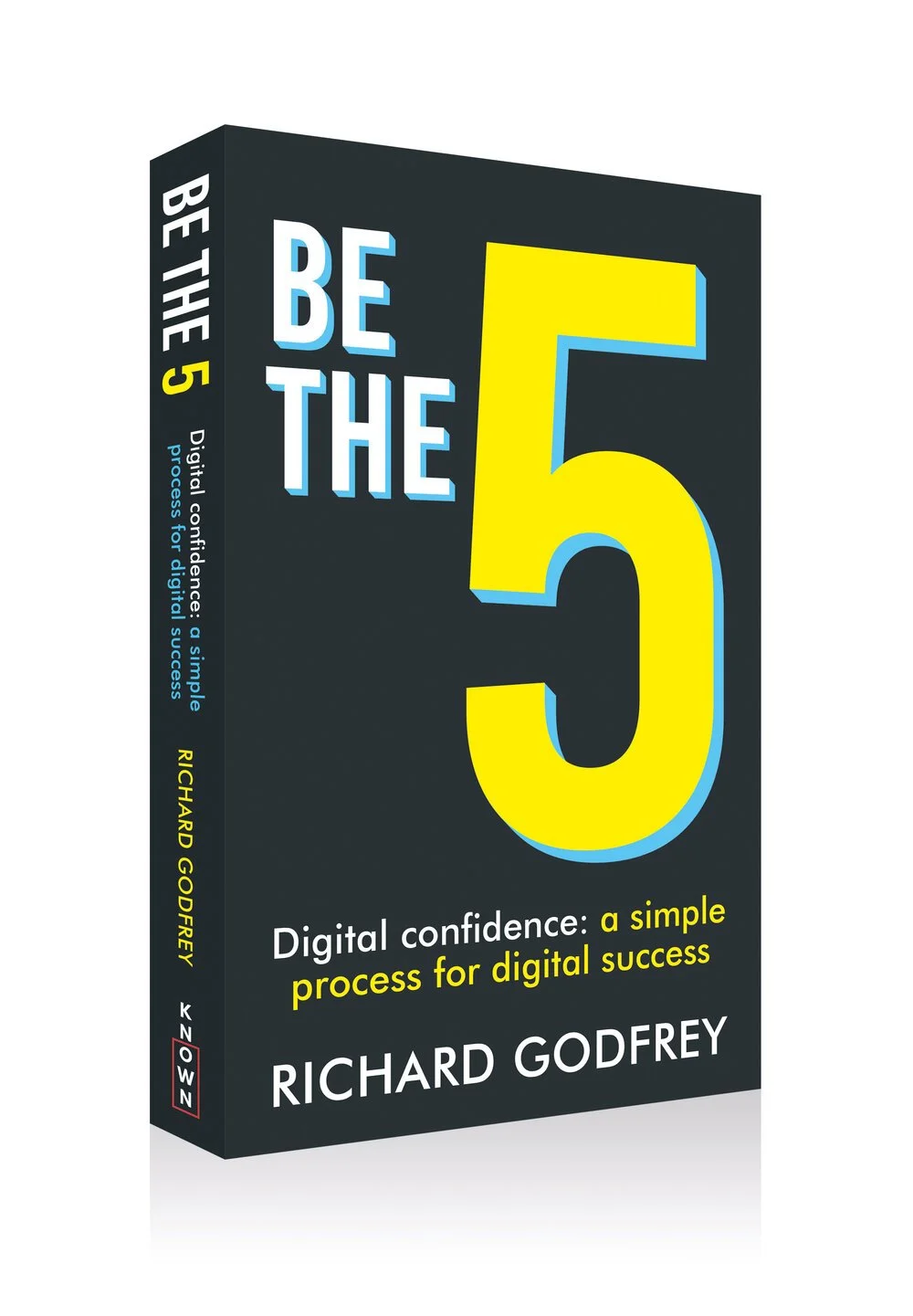
One of the reasons I wrote Be The Five was that I'd become increasingly frustrated with the promises being made by technology companies.
For years, organisations had been sold software and systems on the promise that they would transform how they worked. The technology was going to make everything faster, easier and more efficient. But the results often fell short of those promises. And then something interesting happened. The technology companies started changing their message. Suddenly, successful digital transformation wasn't just about the technology. It was about people, process and technology. They weren't wrong. In fact, they were absolutely right.
But those things had always mattered. You can't introduce a new system, leave everyone doing exactly what they've always done and expect the organisation to transform. Sometimes you need to change the process. Sometimes you need to change people's behaviours. And sometimes you need to question whether the work should be happening at all.
I'd seen this throughout my career, and it was one of the things I wanted to address in Be The Five.
The book was about making change happen, rather than simply buying technology and expecting change to follow.
Why I wrote Be The Five
Those experiences were a big part of why I wrote Be The Five. I wanted to share a practical approach to making change happen, based on what I'd learned from years of delivering transformation rather than simply talking about it.
The book introduced my 5Ds approach to change, built around understanding problems, making decisions and following through on the work needed to achieve an outcome. Because that's another thing I've seen repeatedly.
Organisations can spend an enormous amount of time discussing problems, developing strategies, commissioning reports and agreeing what needs to happen. But knowing what needs to change and actually changing it are two very different things. The work has to get done.
And the people involved need to understand why they're doing it, what they're trying to achieve and how they'll know whether it's worked.
That was true when I wrote the book, and it's just as true today.
And now we're doing it all again with AI.
AI is an extraordinary technology. I'm a big supporter of it, and I'm building a business around what it makes possible. But I'm seeing some very familiar promises. We're being told how many hours AI will save, how many tasks it can automate and how much more productive everyone will become. And I'm sure much of that will happen. But we've heard this sort of thing before.
If organisations introduce AI into their existing processes without changing how they work, there's a real danger they'll simply end up doing the same things faster.
People will produce more reports, send more emails, attend more meetings and generate more information. But will the organisation actually be any better? That's the part I think we're in danger of overlooking.
We've already learned that technology alone doesn't deliver transformation. We shouldn't need to learn that lesson all over again with AI. It's one of the reasons I started Syncity AI. I wanted to build something that uses AI to help people make better decisions about what they should be doing, rather than simply helping them do more of what they're already doing.
Because being more efficient is useful. But being more effective is what makes the difference.
Why I started Syncity AI
Throughout my career, I've worked with capable people who are so busy dealing with what's immediately in front of them that they rarely get the chance to stand back and think. Business owners who spend every day looking after customers, managing staff and solving problems, but struggle to find time to work on the future of their business.
Leaders who know things need to change but can't find the time to properly investigate their options. I've seen good ideas disappear into notebooks, presentations and meetings, never to be mentioned again. And I've seen organisations spend months working on things that weren't making much difference, while potentially better opportunities went unnoticed.
These aren't new problems. They've been around for years. But AI gives us a new way to tackle some of them.
We can use it to do much of the research and preparation that people rarely have time for. It can monitor what's happening, gather evidence, identify opportunities and help us understand things we might otherwise have missed.
That was the starting point for Syncity AI. I wanted to build something that could help business owners and leaders spend less time trying to work out what they should be looking at, and more time making informed decisions about what deserves their attention. And then help them follow through.
Because there's little value in identifying a brilliant opportunity if nothing ever happens with it.
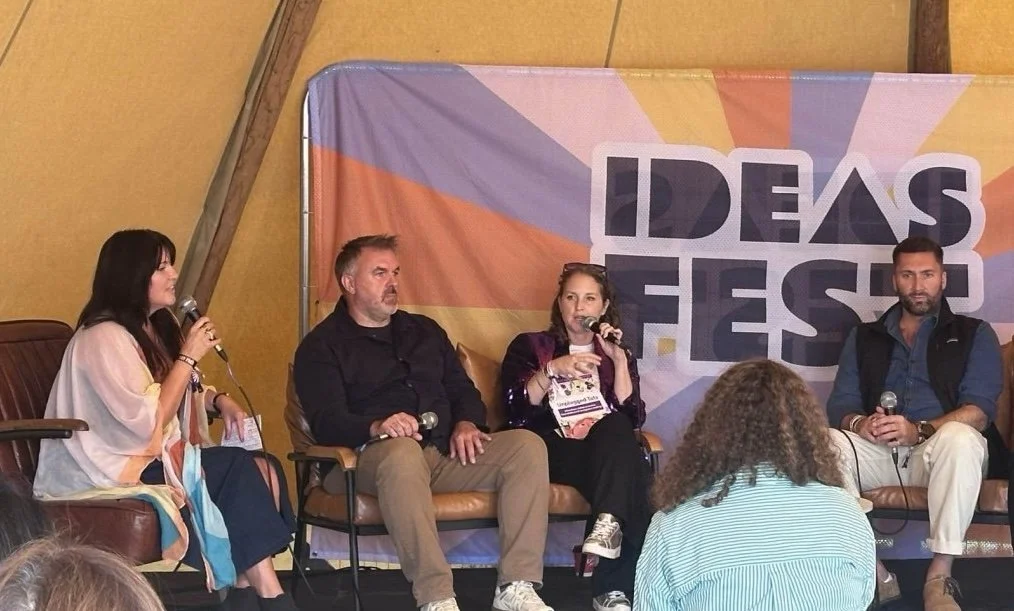
Richard Godfrey discussing AI and human judgement at IdeasFest 2026.
Human judgement still matters
I've never believed that technology should take responsibility away from people. AI can research an opportunity, examine evidence and suggest what might be worth doing. It can even challenge our assumptions and help us see things differently. But it doesn't have the same experience, relationships, responsibilities or personal ambitions as the person making the decision.
And it isn't the one who has to live with the consequences. That's why human judgement is so important to the way we're building Syncity AI. The technology does more of the reconnaissance. People decide what matters and what they're going to do about it. Sometimes that means pursuing an opportunity. Sometimes it means putting something aside.
And sometimes the best decision is to stop doing something that's consuming time and money without delivering much in return. I've become increasingly convinced that avoiding a bad decision can be just as valuable as making a good one.
It's not about finding more things to do. It's about knowing which things are worth doing. And then actually doing them.
Still learning, still building
Syncity AI is the latest chapter in a career that's involved a lot of technology, a lot of change and plenty of lessons along the way. We're building it with feedback from real business owners, coaches and advisers, and we're continuing to improve how it works.
I don't believe we've got every answer, and I don't think any technology company should pretend that it has. But I do know that the principles I've relied on throughout my career still apply.
Understand the problem. Involve the people. Challenge the process. Use the technology where it can genuinely help. And make sure something actually changes as a result.
That's what I've tried to do throughout my career, what I wrote about in Be The Five, and what we're now putting into practice with Syncity AI.
Richard Godfrey
Founder, Syncity AI
Author, Be The Five